The best game in the Classics Catalog
The Last of Us, the classic that redefined game writing
- Critic score
- 95
- Player rating
- 4.8/5
- Main story
- 14.7 h
- Genre
- Adventure, Action
Twelve years on, it still holds the highest score in the Classics Catalog. Not for its technology, long since surpassed, but for what it proved a game could tell.
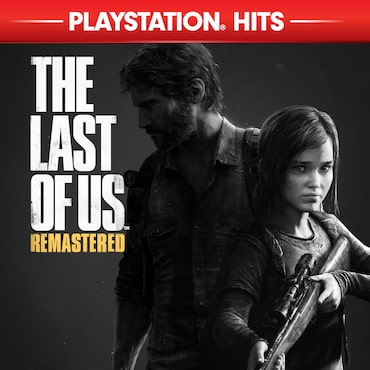
America, 2033. Twenty years earlier, a Cordyceps fungus crossed the species barrier and turned its human hosts into aggressive creatures. Joel, a hardened smuggler, accepts one more delivery: escorting Ellie, fourteen, out of the quarantine zone. She is immune.
The setup is conventional — a closed-off adult, a child to protect, a road — and the game makes no attempt to hide it. Its achievement lies elsewhere: in how the relationship is built in small strokes, often outside the scripted sequences. A remark thrown out while walking, a silence after a violent scene, a joke that lands badly. Naughty Dog understood before many others that the journey matters more than the twists.
The game is also remarkably stingy. Ammunition is scarce, fights are short and ugly, and stealth is not an elegant playstyle but a fallback. That constant shortage turns every encounter into a decision: go around, or spend what you have left.
It is worth naming what age has done: level layouts are narrow, enemy intelligence is dated, and some combat stretches have aged poorly. Those are the limits of a 2013 game, brought up to date graphically but not rethought.
Fifteen hours or so will see you through. That length suits what it sets out to do, and it stops exactly when it should — its final scene remains one of the most debated in the medium.