The most debated game in the catalog
The Last of Us Part II, a sequel that refuses to please
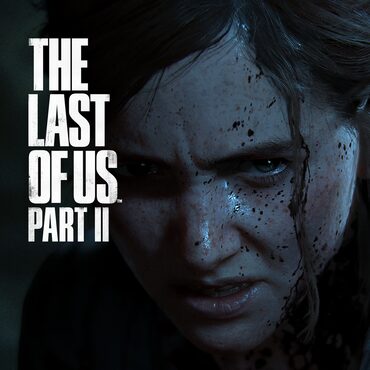
- Critic score
- 93
- Player rating
- 4.5/5
- Main story
- 24.1 h
- Genre
- Shooter, Adventure, Action
One of the highest critic scores in the catalog, and a stormy public reception. That gap is no accident: the game is built to provoke it.
Five years after the first game, Ellie is nineteen and living in Jackson, Wyoming. An act of violence sends her to Seattle with one fixed idea. The game follows that revenge without ever making it satisfying — which is its explicit project.
Its structure is both its masterstroke and the reason for the backlash. Halfway through, the game takes away the character you have been following and places you, for many hours, in the boots of someone you had every reason to hate. It has you live their days, meet their people, understand their reasons. Many players experienced that switch as a betrayal; that is precisely the intended effect.
The game aims for discomfort down to its mechanics. Human enemies call each other by name, cry out when a comrade falls, and the dogs you must put down have names. Killing remains efficient and satisfying to execute, and the game arranges for that pleasure to come back at you. You can find the device heavy-handed — several critics wrote as much — but it is sustained from beginning to end.
Technically it is a demonstration: animation, lighting, and accessibility, where it is cited as an industry reference. Encounters are also markedly more open than in the first game, with real spaces to work around.
Twenty hours or so, dense and draining. It is not a game to recommend lightly, and if you want the comfort of the first one, better to know that before starting.