The catalog's lesson in minimalism
Shadow of the Colossus, sixteen fights and not one other enemy
- Critic score
- 91
- Player rating
- 4.4/5
- Main story
- 7.2 h
- Genre
- RPG, Adventure, Action
Seven hours, no lesser enemies, no chests, no towns. A game built by subtraction, and still, twenty years on, a reference everyone cites.
A young man carries a woman's body into a temple at the end of a bridge, in a forbidden land. A voice offers him a bargain: destroy sixteen colossi scattered across the territory, and she may come back to life. The game says no more, and never really will.
Between the colossi there is nothing. No encounters, no items to pick up, no quests. You ride and cross vast empty stretches, guided by a beam of light reflected from your sword. That emptiness is not a saving of effort: it is what gives weight to the only moments when something happens.
Each colossus is simultaneously a boss and a puzzle. They are immense creatures to be climbed like moving structures, as you look for the handhold, the fur to cling to, the moment the beast lowers its head. Force never suffices; you have to understand how the thing is built.
And the game makes these killings unpleasant. The colossus struggles, groans, collapses slowly, and a black substance strikes you. None of them attacked you before you arrived. The game comments on nothing; it simply lets the discomfort settle — and that is where its reputation and influence live.
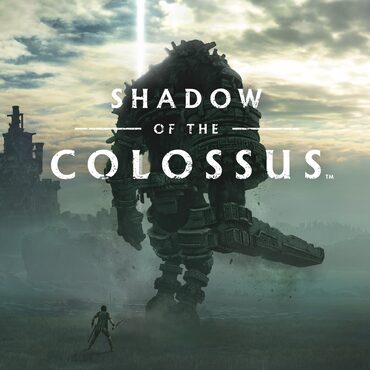
Seven hours for all sixteen. The version here is the 2018 rebuild, graphically reconstructed from the ground up, with the original controls that some will find stubborn. It is also a good way in if long games put you off.